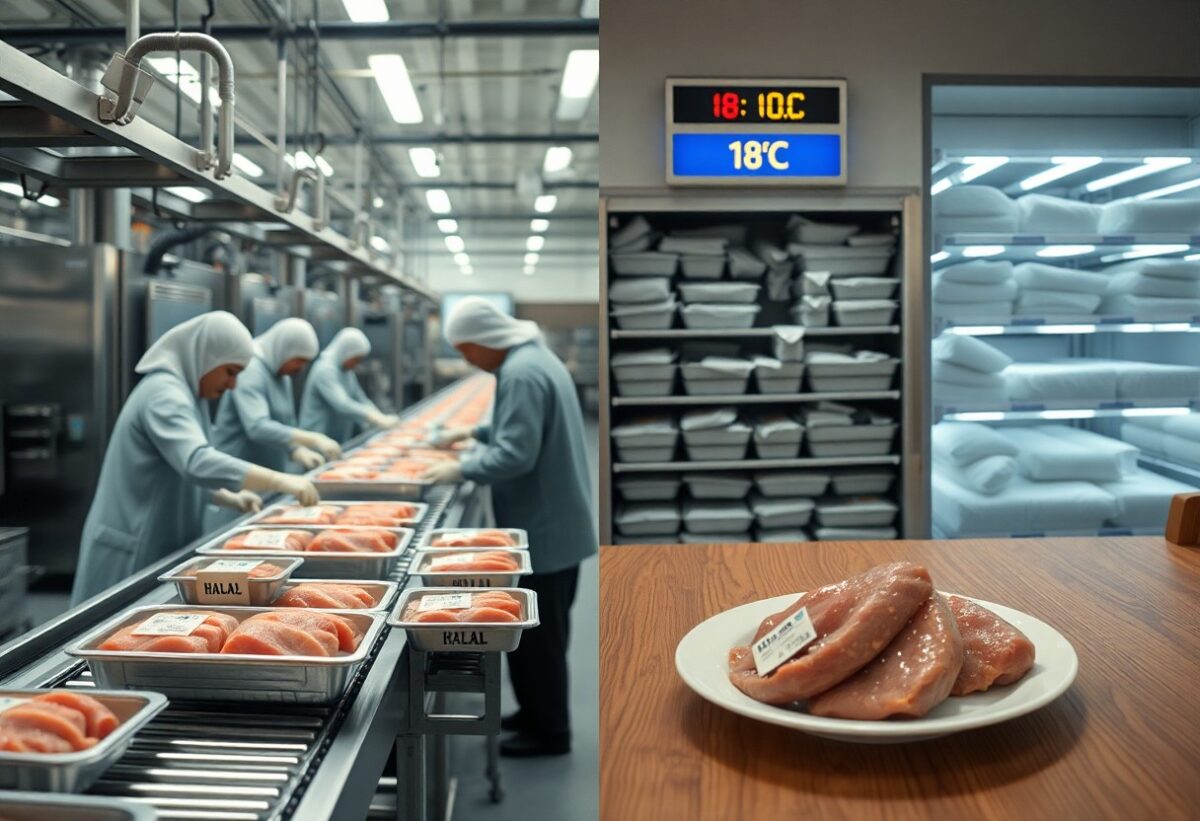
From Frozen Food Factory to Your Table – The Journey of Halal Sejuk Beku Products
14/01/2026
Frozen Food Factory Standards in Malaysia – From Halal Process to Quality Control
17/01/2026
Just examine practical tips on choosing, storing and preparing frozen foods so you and your family enjoy tasty, safe meals without stress; this guide helps you save time and money, plan weekly menus, decode labels, and adapt recipes to Malaysian flavors while keeping your freezer organized and efficient for modern family life.
Key Takeaways:
- Frozen foods save time and reduce food waste while retaining nutrients when properly frozen and reheated.
- Safe handling matters: keep freezers at ≤−18°C, thaw using fridge or cold water, label dates, and avoid refreezing once fully thawed.
- Plan and shop smart: choose minimally processed local products, portion before freezing, and use frozen staples for budget-friendly, varied family meals.
Understanding Makanan Sejuk Beku
You’ll see frozen foods span raw ingredients to ready-to-eat meals, and fast freezing (often −30°C to −40°C) helps form small ice crystals that protect texture and nutrients. In practical terms, you can cut prep time by 30-50% and reduce waste by planning portions; many Malaysian households use frozen prawns, ready rice, and frozen veg for weekday dinners to speed cooking.
Types of Frozen Foods
You typically encounter vegetables, fruits, raw proteins and seafood, ready-to-cook meals, and sweet treats; each category needs different thawing and reheating approaches. Vegetables are great straight from frozen into stir-fries, fruits suit smoothies, seafood prefers gentle defrosting, and composite meals vary by sauce and starch stability.
- Frozen vegetables: peas, spinach, corn – fast for stir-fries or soups.
- Frozen fruits: berries, mango – ideal for smoothies and desserts.
- Frozen proteins: chicken, fish, prawns – convenient for quick dinners.
- Assume that ready-meals and dumplings need label-specific reheating and internal temperature checks (about 75°C) for safety.
| Frozen vegetables | Blast-frozen; use within 8-12 months; cook from frozen for best texture. |
| Frozen fruits | Best for smoothies or baking; thaw in fridge; use within 6-8 months. |
| Frozen proteins | Store at −18°C; thaw in fridge overnight; cook to internal 75°C. |
| Ready-to-cook meals | Follow label reheating; avoid refreezing after thawing; watch sauce separation. |
| Frozen desserts | Slice when slightly thawed; prevent freezer burn; keep away from strong odors. |
Nutritional Benefits
You benefit because freezing arrests nutrient loss quickly, so frozen veg can retain up to about 90% of vitamin C when processed promptly, and proteins keep their amino acid profile. In real terms, frozen peas and corn often deliver similar fiber and B vitamin levels as fresher options that have been stored for days during transport.
You should note processing steps like blanching remove a small share of water-soluble vitamins, yet overall freezing limits longer-term decline seen in fresh produce on supermarket shelves. For fats, frozen oily fish maintain omega‑3s, and portioned frozen items help you control calories and minimize household food waste.
Tips for Choosing Frozen Foods
When scanning shelves you should pick items with clear ingredients, minimal glaze, and intact packaging; check production or expiry dates and prefer IQF (individually quick frozen) for better texture. Quick checks:
- Packaging sealed with no frost buildup
- Ingredient list short and specific (meat, veg, salt)
- Sodium under ~600 mg per serving and protein ≥8 g
- Visible halal/MSC/JAKIM or country-of-origin labels
This helps you balance convenience, nutrition, and value.
Reading Labels
Scan serving size first so you compare apples-to-apples, then read the first three ingredients to see what’s primary-water, fillers, or real food. Look for “IQF” or “blast frozen” and check sodium, added sugar (aim <10 g), and preservatives like sodium nitrite; if a meal lists >700 kcal per serving it’s more of a calorie-dense option. You can also use ingredient order and certifications to decide if it fits your family’s diet.
Best Brands to Consider
Ayamas is a common local pick for halal frozen chicken and nuggets, Birds Eye offers reliable vegetables and fish fingers, and McCain is a go-to for fries and potato sides; store brands from Aeon, Lotus’s or Giant often match quality at lower prices. You can mix branded items for specialty needs and house brands for everyday staples.
For more detail: choose Ayamas for ready-to-cook protein (good for quick family meals), Birds Eye for frozen veg that retain texture, McCain for consistent potato products, and look for MSC-labelled seafood or JAKIM halal marks depending on preference; comparing per-100g nutrition panels and origin labels (e.g., Norwegian salmon, New Zealand lamb) helps you match quality to price.
Step-by-Step Guide to Freezing Food at Home
| Preparation | Wash, trim and pat dry; portion into 200-300 g packs for family meals; par-cook dense vegetables and proteins to maintain texture; use food-grade trays for initial freezing. |
| Blanching & Cooling | Blanch vegetables 1-4 minutes (spinach 1-2, broccoli 2-3, green beans 3), then plunge into ice water for the same time to halt enzymes and preserve colour. |
| Flash-Freezing | Spread items on trays so pieces don’t stick; freeze 2-6 hours until solid before bagging-this keeps individual portions separate and shortens freezer dust formation. |
| Packaging | Use vacuum seals or heavy-duty freezer bags, squeeze out air, or use rigid airtight containers; leave 1-2 cm headspace for liquids to expand. |
| Labeling & Dating | Mark contents and date; practise FIFO-use oldest packs first and aim to consume vegetables within 8-12 months, meats 3-12 months depending on type. |
| Storage Temperature | Keep freezer at −18°C or colder; avoid frequent door opening and store cooked and raw foods separately to prevent cross-contamination. |
Preparation Techniques
You should tailor prep to each ingredient: trim and dry fruit to avoid ice crystals, portion raw proteins into 250-350 g packs for easy thawing, and par-cook root vegetables 2-5 minutes to preserve texture; using parchment or silicone liners speeds separation and reduces waste.
Storage Methods
You’ll extend shelf life by choosing the right packaging-vacuum sealing can double storage time compared with standard freezer bags-and grouping items by use (ready meals, proteins, veg) so you can rotate stock and avoid impulse thawing.
For more detail, store fatty fish 2-3 months, lean fish up to 6 months, ground meat 3-4 months, steaks and roasts 6-12 months; use a dedicated chest freezer if you buy in bulk, monitor temperature with a thermometer, and glaze delicate seafood with a 5-15% ice coating when vacuum sealing isn’t an option.
Factors to Consider When Freezing
Pick items by how well they freeze: high-water foods lose texture, fatty foods develop freezer burn faster, and sauces can separate. Check packaging for airtight seals and freeze in meal-sized portions to speed freezing and simplify reheating.
- Food type: fruit, veg, meat, or cooked dish
- Portioning: single-meal bags or trays
- Packaging: vacuum or airtight containers
- Freezing speed: flash freeze vs. slow freeze
- Knowing how long each item keeps quality helps you plan meals and reduce waste
Temperature Control
You should set home freezers to −18°C (0°F) or colder to keep food safe and slow quality loss; commercial quick-freeze at −30°C to −40°C gives better texture. Monitor with a thermometer, avoid overloading the freezer, and minimise door openings to prevent temperature spikes that create ice crystals and speed nutrient loss.
Temperature Control at a Glance
| −18°C (home) | Safe storage, keeps food quality for months; aim for steady temp |
| −30°C to −40°C (commercial) | Fast freeze reduces ice crystals and preserves texture |
| Fluctuations | Frequent spikes cause freezer burn; use thermometer and organise items |
Shelf Life
You can keep many frozen foods safely for long periods, but quality varies: expect 6-12 months for meats, 3-6 months for fish, and 8-12 months for most fruits and veg when blanched first; label with dates and rotate stock using FIFO (first in, first out).
For practical planning, freeze raw poultry up to 9-12 months, red meat cuts 4-12 months, ground meat 3-4 months, cooked meals 2-3 months, and fatty fish about 2-3 months versus lean fish up to 6 months; blanch vegetables (2-3 minutes) before freezing to retain colour and nutrients, and use vacuum sealing to extend best quality by several months.
Pros and Cons of Makanan Sejuk Beku
| Pros | Cons |
|---|---|
| You save prep time – ready-to-cook items can cut 30-60 minutes per meal. | Texture changes – thawed seafood and leafy veg can become soft or watery. |
| Your food lasts months: typical freezer shelf life – meat 6-12 months, fish 3-6 months. | Freezer burn risk if not wrapped; quality and flavor decline. |
| Buying frozen in bulk often lowers per-meal cost and reduces spoilage waste. | Some frozen ready meals contain high sodium or preservatives; check labels. |
| Frozen produce is often blanched and frozen at peak ripeness, retaining nutrients. | Blanching causes some nutrient loss (e.g., vitamin C), varying by veg and process. |
| You get year-round access to out-of-season items like berries, edamame, or seafood. | Processed frozen meals can be calorie-dense and less wholesome than home-cooked dishes. |
| Freezing halts bacterial growth, improving food safety when stored and thawed correctly. | Improper thawing or refreezing can allow bacterial growth and degrade quality. |
Advantages for Busy Families
You can stock frozen staples – pre-cooked rice, blanched veg, frozen ikan or ready sauces – to shorten dinner to 10-20 minutes on weeknights. Buying bulk frozen items and portioning them saves money and cuts food waste; many families report fewer grocery trips and consistent meals for 4-6 people when they plan two freezer-based dinners weekly.
Potential Drawbacks
You may find some frozen products compromise texture or taste, and convenience meals often have higher sodium and added stabilizers. Also, freezer space and energy use matter in smaller Malaysian kitchens, and refreezing or improper thawing raises food-safety and quality issues.
More specifically, many supermarket frozen dinners contain 600-1,200 mg sodium per serving, which can exceed healthy limits if you rely on them often; freezer burn appears as dry, discolored patches that ruin mouthfeel though not safety; and thawing at room temperature lets bacteria multiply, so you should thaw in the fridge or microwave and use within recommended times to keep your family safe and meals enjoyable.
Creative Ways to Use Frozen Foods
You can transform frozen staples into exciting meals and snacks: use flash-frozen vegetables for stir-fries that stay crisp, frozen prawns in sambal for a 20-minute dinner, or frozen fruit to make smoothies and sorbets. Try freezing stock cubes from leftover bones for richer soups, or portion herbs into oil as flavor cubes. By mixing fresh pantry items with frozen goods you cut prep time and stretch budgets without losing variety.
Meal Ideas
You can make quick fried rice with 200 g frozen mixed vegetables and 150 g frozen shrimp in 10 minutes, steam frozen dumplings for 8-10 minutes as tapas, or blend 1 cup frozen mango with 200 ml milk for a 2-minute smoothie. Roast frozen fish fillets at 200°C for 12-15 minutes, or toss frozen corn and chopped tofu into a 5-minute sambal goreng for a weeknight win.
Recipes to Try
You should try sambal udang with frozen prawns, jackfruit rendang using frozen young jackfruit, a quick seafood laksa with frozen fish balls, or a berry crumble made from 500 g frozen berries topped with oats and butter. These recipes adapt well: frozen ingredients cut hands-on time and keep portions sized for family meals or batch cooking for 3-4 servings.
Thaw 500 g frozen prawns in your fridge for 8-12 hours, pat them dry, then sauté 1 sliced onion and 3 cloves garlic, add 100 g sambal paste and 2 tbsp tamarind water, toss in prawns and cook 4-5 minutes until opaque; finish with 1 tbsp sugar and chopped spring onion. Serve with rice-active cooking is under 15 minutes and feeds 3-4, making it ideal for busy nights or small gatherings.
Final Words
With these considerations, you can confidently integrate frozen foods into your family’s routine, balancing convenience, nutrition and Malaysian flavours. Use simple storage and thawing habits, read labels, and plan meals to save time and reduce waste. By tailoring choices to your tastes and schedule, you’ll make frozen options a helpful, healthy part of your everyday cooking.
FAQ
Q: How should I store and thaw frozen foods at home to keep them safe and tasty?
A: Set your freezer at or below −18°C and use airtight, freezer-grade packaging to minimise ice crystals and freezer burn. Label products with the date and practise FIFO (first in, first out). Thaw in the refrigerator for best quality (allow 24 hours for most items), or use sealed cold-water submersion (change water every 30 minutes) for faster thawing; if you thaw in the microwave, cook immediately. Never thaw perishable foods on the countertop. If an item thaws but still feels cold and has been kept under refrigeration, you may cook and refreeze it after cooking; do not refreeze raw foods that have fully thawed at room temperature. Discard items with off smells, slimy textures, or visible mold.
Q: Does freezing reduce the nutritional value of foods, and how do I choose healthier frozen options?
A: Freezing preserves most nutrients by halting enzymatic changes; some water-soluble vitamins (like vitamin C) may decline slightly during blanching or long storage, but frozen vegetables often match or exceed the nutrient content of produce that has spent days in transit. Choose plain, minimally processed frozen items without added sugars, high sodium sauces, or heavy battering. Read labels for ingredients and sodium, sugar, and additive levels. Opt for single-ingredient packs (e.g., plain fish, diced pumpkin, mixed vegetables) and use fresh components (herbs, greens) when assembling meals to boost nutrition. Portion control also helps-freeze in family-sized or single-meal portions to avoid overeating.
Q: How can modern Malaysian families use frozen foods effectively for weekly meal planning and for feeding children or elderly relatives?
A: Plan by batching meals and freezing single-portion or family-portion containers labelled with contents and date. Typical safe quality windows (for best taste) are: cooked meals 2-3 months, ground meats 3-4 months, fish 3-6 months, whole cuts of meat 6-12 months, and most vegetables 8-12 months. When reheating, ensure internal temperature reaches 75°C and steam/hot spots are eliminated-stovetop or oven reheating gives more even heat than microwave; if microwaving, stir and rotate. For young children and older adults, avoid high-sodium or heavily spiced ready meals; dilute sauces, add fresh vegetables, and check textures to reduce choking risk. Use frozen Malaysian staples (pre-cooked rice, frozen ikan, blanched greens, sambal packets) as base ingredients to speed weekday cooking while finishing with fresh garnishes like lime, cili padi, or fresh herbs for flavour and balance.